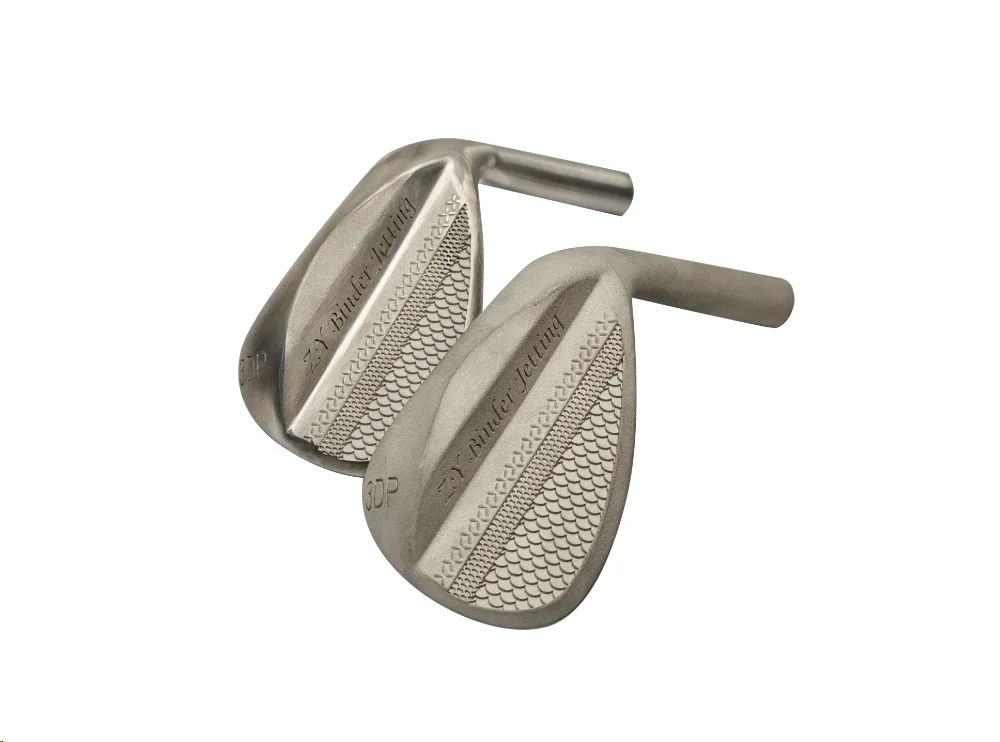

Scalability
Binder Jetting can produce multiple parts simultaneously, making it suitable for large-scale production.
Efficient production of complex metal parts without dedicated support structures. Ideal for components, and low components, and low-to-medium volume production.
(Materials, tolerances, and lead times are confirmed after engineering review.)

STEP, STL, IGES, OBJ and more. We'll route your part to the right process before production starts.
Get Instant Quote Instant Pricing • No MOQ • Secure Upload • 10% Off First Order
Binder Jetting is an additive manufacturing process that creates 3D objects by depositing a liquid binding agent onto a bed of powder material, layer by layer. It's known for its speed, ability to print in full color (in some cases), and use of various materials like metals, sand, or ceramics.
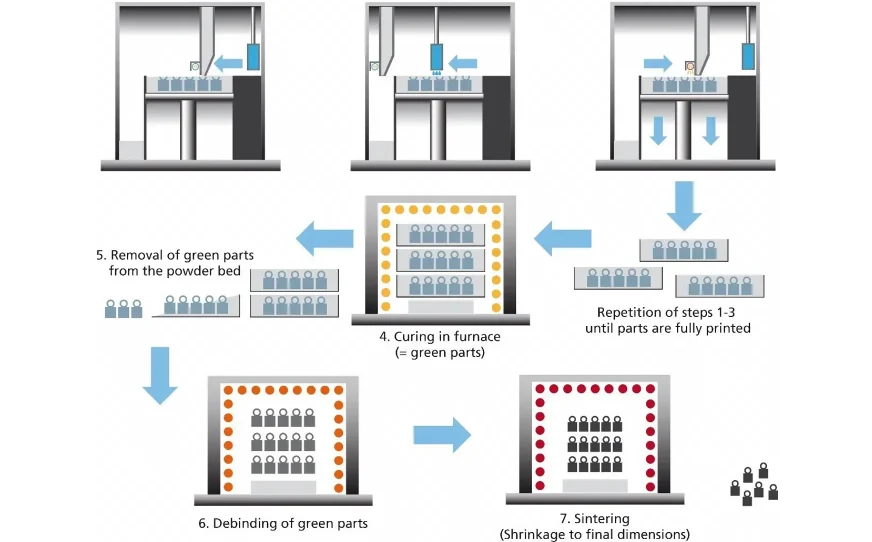
Binder Jetting can produce multiple parts simultaneously, making it suitable for large-scale production.
The process can be used with metals, ceramics, and even sand, providing a wide range of application possibilities.
Since parts are printed in a powder bed, there is no need for additional support structures, allowing for more design freedom.
Binder Jetting is often more economical for producing large batches compared to other metal 3D printing methods.

Parts produced via Binder Jetting may require additional sintering or infiltration to achieve full strength, which can add complexity.
The surface finish may require additional post-processing to achieve smoothness and precision.
| US | Metric | |
|---|---|---|
| Standard Size | 16.93 in. × 11.81 in. × 5.51 in. | 430 mm × 300 mm × 140 mm |
Note: These design guidelines are for general reference only. Actual manufacturability may vary depending on specific part geometry and material.
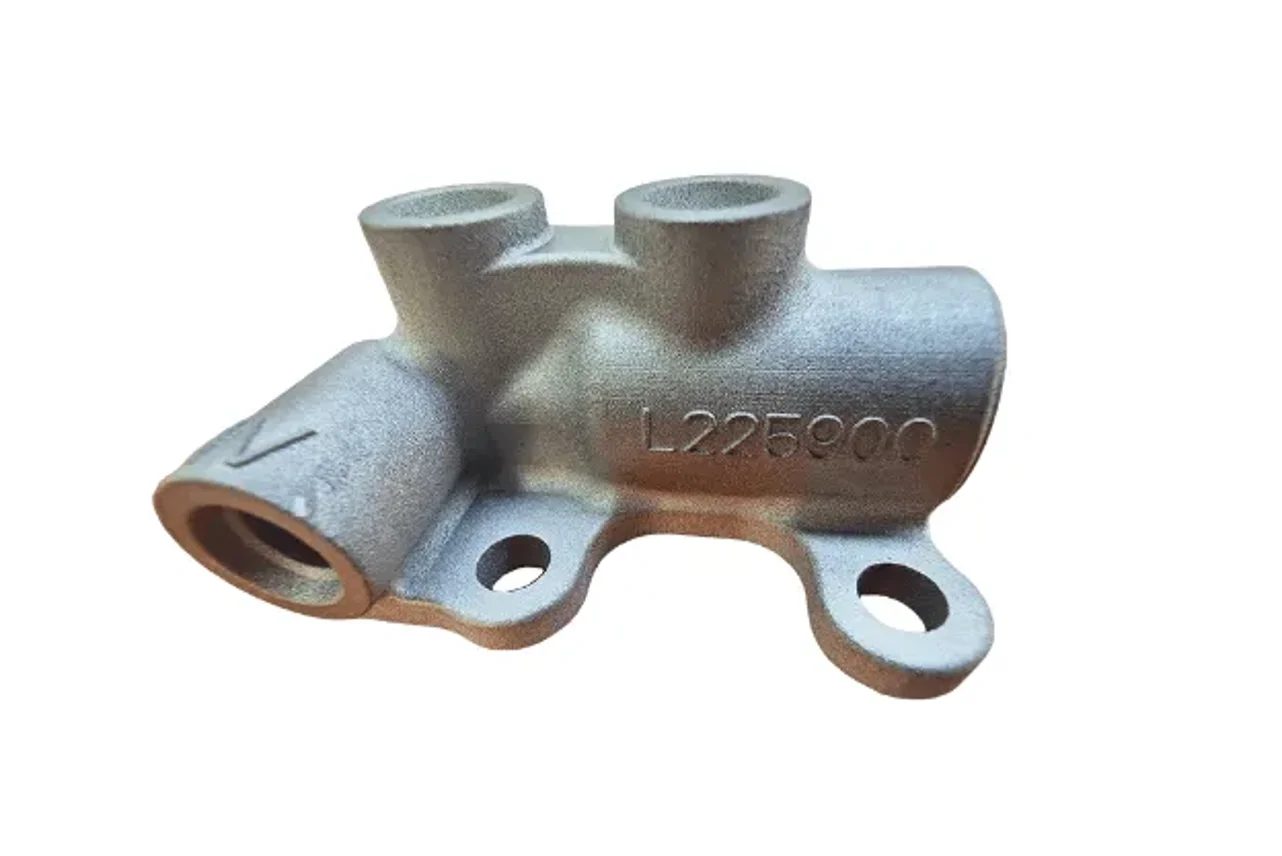
The strength and hardness of 17-4PH precipitation hardened stainless steel can be significantly improved through heat treatment after sintering. The color of its printed parts is dark gray to black gray in the sintered state. It has good mechanical properties and moderate corrosion resistance, and is suitable for structural parts that require both strength and precision.
Default:
Other:
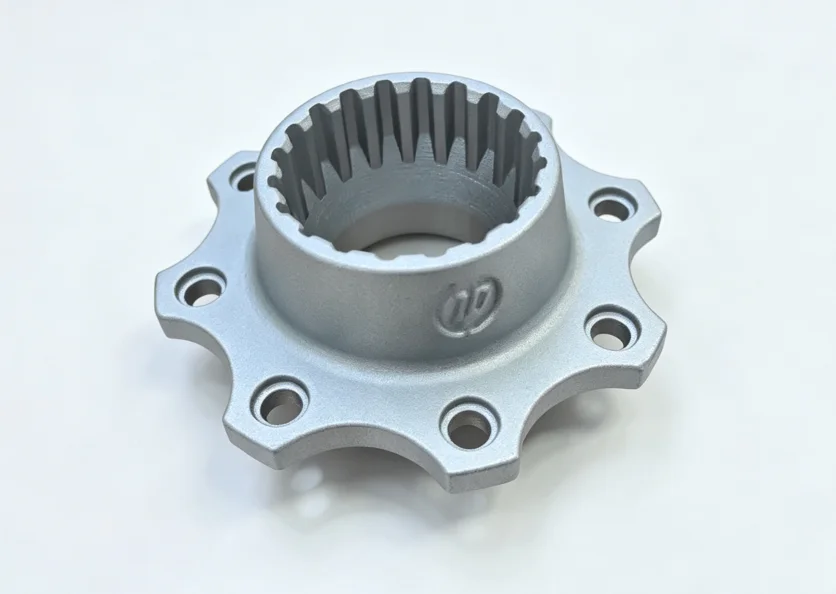
Produce complex metal prototypes without printed support structures. Metal Binder Jetting is suitable for validating part geometry, assembly, and manufacturability before moving into series production.
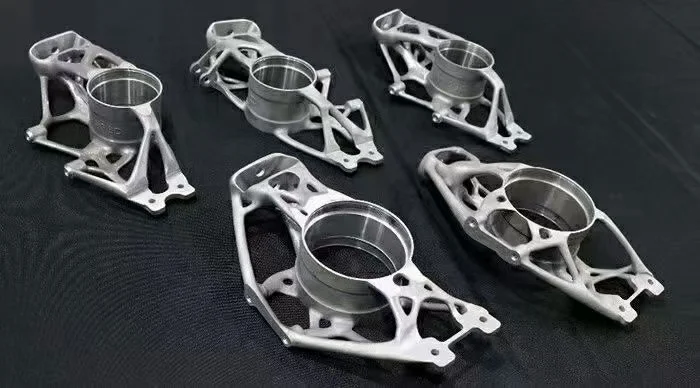
Manufacture customized components with internal channels, consolidated geometries, and features that may be difficult or costly to produce conventionally. Final tolerances depend on material, geometry, sintering, and secondary machining requirements.
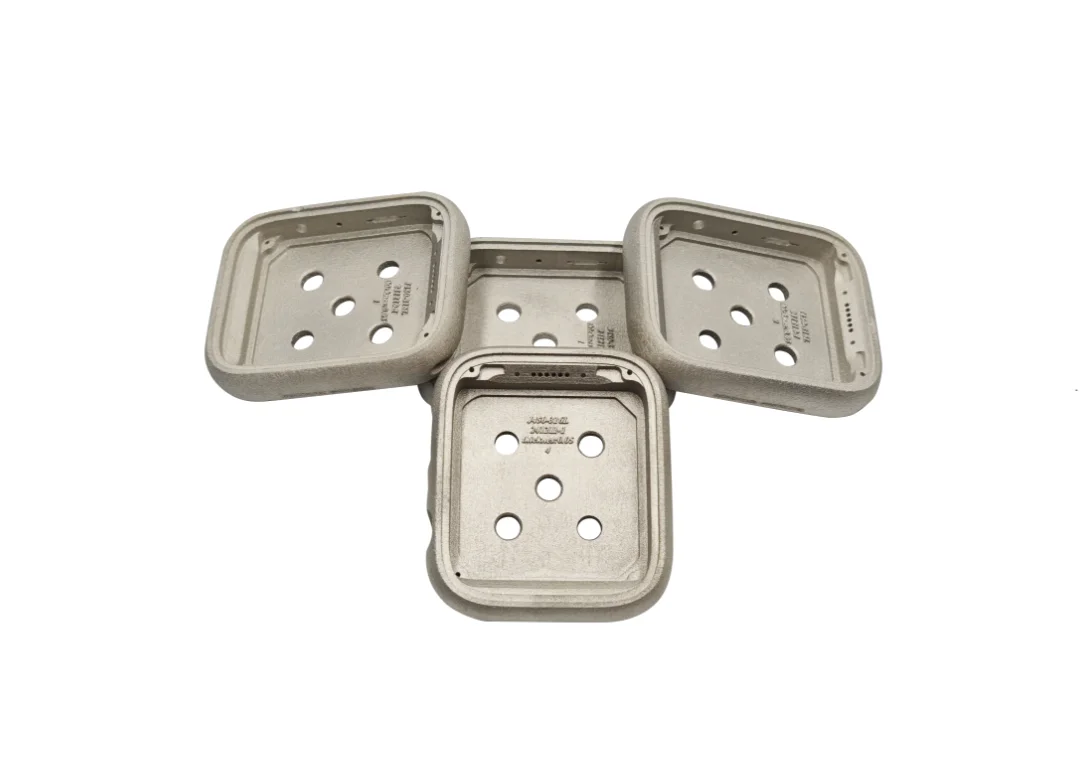
Produce multiple parts efficiently within a single build, making Metal Binder Jetting suitable for repeat production of brackets, housings, tooling components, and other small metal parts. Critical surfaces and tight-tolerance features can be CNC machined after sintering.
Engineering note: Binder-jetted parts require debinding and sintering. Dimensional tolerances, density, mechanical properties, and secondary finishing requirements should be reviewed for each application.
| Process | Name | Numbers | Process Size(mm) |
|---|---|---|---|
| Binder Jetting | HPS100D | 1 | 430*300*140 |
| M-Flexx1 | 1 | 400*250*250 | |
| Shop System | 2 | 400*250*250 |
| Process | Name | Numbers | Process Size(mm) |
|---|---|---|---|
| Painting | Painting Line | 2 | 1000*2000*1000 |
| Sand Blasting | Sand Blasting Machine | 2 | 400*800*500 |
| Polish | Chemical Polishing Line | 2 | 600*1200*400 |
| Magnetic Polishing Machine | 2 | 60*60*60 | |
| Anodized | Anodizing Equipment | 2 | 800*2000*500 |
for Various Industries
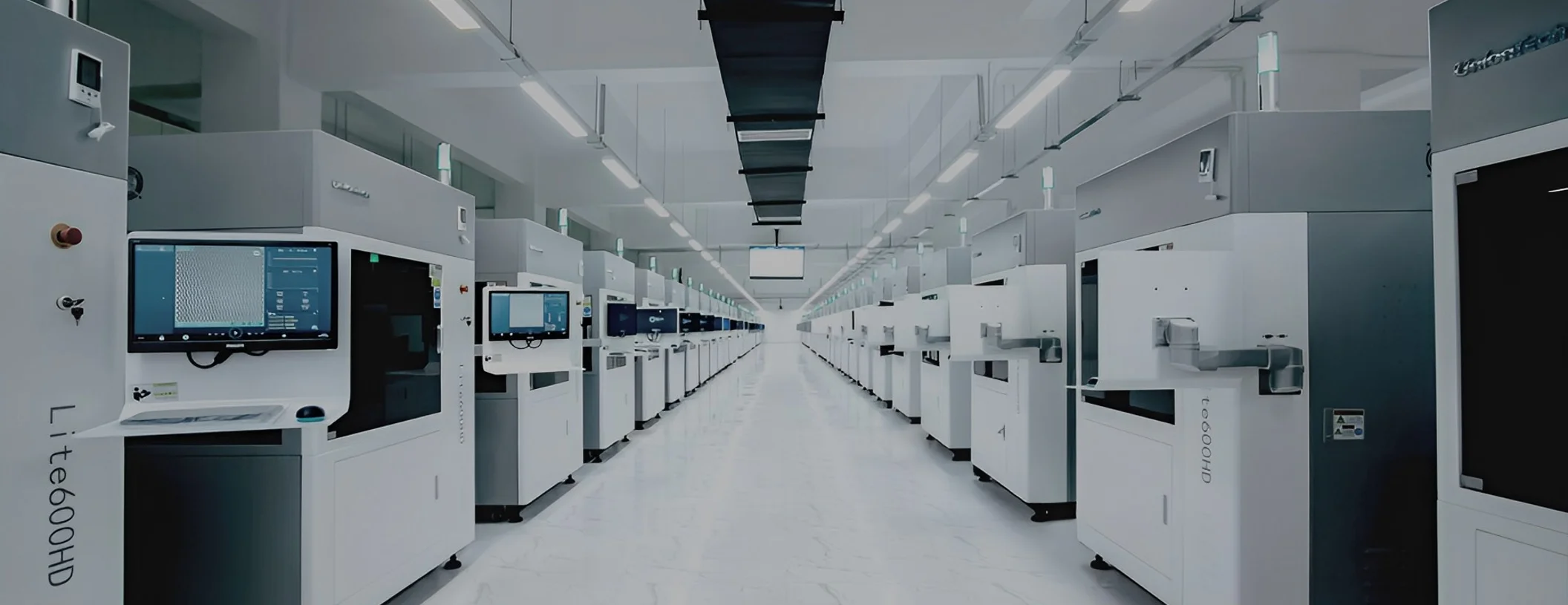

Unionfab is China's Largest 3D Printing Manufacturing Company for Rapid Prototyping and On-Demand Production Parts.